First-Time Buyers
What Can I Do About My Credit Before I Start Looking at Homes in the Las Vegas Valley?
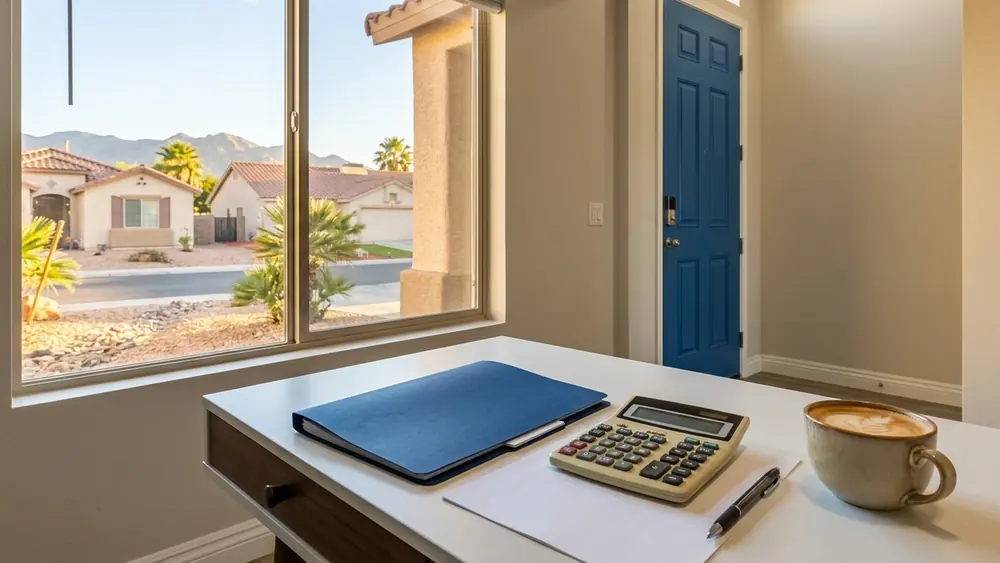
Before you look at homes in the Las Vegas Valley, check your credit reports for mistakes, then ask a lender how your credit affects your loan options and which items to handle first and which can wait.
On this page
Start with your reports and a lender conversation
The first thing to do about your credit before you look at homes is find out where it stands and what it means for you. Pull your credit reports, check them for mistakes, and then ask a lender how your credit affects the loan options in front of you. That conversation tells you what to work on first and what can wait, which is far more useful than guessing. It is a step you can take now, without committing to any home or any lender.
This matters because your credit shapes which loans a lender can discuss with you, and the loan shapes the budget you shop with. If you start touring homes in Las Vegas, North Las Vegas or Henderson before you know that budget, you may fall for a home you cannot finance, or rule out homes you could have bought. Settling the credit question first keeps the rest of the search grounded in your real situation. It also gives you a clear reason behind every home you choose to see.
This article will not tell you what your credit needs to look like, because that depends on the lender, the loan and your full situation, and the standards change. It offers no credit repair and makes no promise about approval. What it does offer is an order of questions, so you walk into a lender conversation knowing what to ask and walk out knowing what to do next. It also leaves the final word on every credit question with the lender, who sees your full file.
What to look for in your credit reports
Reading your reports is the part you can do on your own before you talk with anyone. Go through each report line by line and compare it with your own records and statements. You are looking for anything that does not match what you know about your accounts, and anything you do not recognize at all. Write each item down with a short note, because those notes become your questions.
- Accounts you do not recognize or do not remember opening yourself
- Balances, limits or payment histories that differ from your own statements
- Late payments you believe were made on time, with your proof beside them
- Old debts you thought were settled, closed or paid in full
Questions to bring to a lender first
Once you have your notes, a lender is the right person to explain what they mean for a home loan. You do not need to be ready to buy to have this conversation. Ask questions that help you sort the list into what matters now and what can wait, and write down each answer with the date and the name of the person who gave it. Bring the reports themselves too, so the lender can look at the same lines you are asking about.
- How my credit, as it stands today, affects the loan options you can discuss
- Which items on my reports matter most for a home loan, and which matter less
- What I should handle before I start shopping, and what can wait
- Whether paying down, closing or opening an account would change my loan options
- When it would make sense to come back and review my credit with you again
Assumptions that cause surprises later on
A common assumption is that credit is a single verdict, yes or no. In practice, a lender looks at your credit alongside other parts of your situation, and the same credit can mean different things for different loans. That is why the question to ask is not whether your credit is good enough, but what your credit means for the specific options in front of you. Two buyers with similar credit can hear very different answers, because the rest of their situations differ.
Another surprise comes from changes made right before or during a home search. Opening new accounts, taking on a large purchase or moving money around can raise questions a lender then has to work through. Before you make any big financial change while you are shopping, ask your lender whether it could affect your loan, and wait for the answer before you act. A short pause to ask is easier than undoing a change later.
A third assumption is that doing something about your credit means paying a company to do it for you. You can ask a lender or a housing counselor how to raise a mistake you find on your report and what that step involves. Be cautious with anyone who promises a specific result, because no one can honestly promise how a lender will view your file. Your notes from the reports give that conversation a clear starting point.
Keep credit in its place in the plan
Credit is one decision, not the whole plan. Once you know where you stand, the next questions are about the costs that come on top of the price, whether down-payment help is worth asking about, and where in the Las Vegas Valley your budget points you. Taking them in that order keeps each decision small enough to handle, and it stops one unknown from crowding out the rest. Credit simply comes first because the other answers depend on it.
It also helps to keep a single page for all of this. Write down what your reports showed, what the lender said, and what you decided to do about each item. When you later compare homes in Las Vegas, North Las Vegas or Henderson, that page reminds you which budget you are working with and why, so you are not guessing in the middle of a tour. Update it each time an answer changes.
I would rather you learn what your credit means before you tour a single home. Then every showing is a real option, not a guess you have to undo later.
How your credit connects to where you search
Your credit and your budget feed straight into the choice of where to search. A sound way to choose is to list your fixed needs, such as budget, property type and the trips you make most often, then test Las Vegas, North Las Vegas and Henderson against that list. You cannot finish that list honestly until the lender conversation has given you a working budget. Until then, any comparison between cities rests on a guess about what you can spend.
This is also why it helps to keep all three cities open at first. Your credit conversation may widen or narrow the range of homes worth a look, and the right city follows from that range rather than from reputation. Let your lender’s answers and your own list of needs do the narrowing, and confirm prices and inventory with live listings, since both change.
What to bring to your first conversation
Before you talk with a lender or a REALTOR®, gather what you have learned so far. Bring your notes from your credit reports, the questions you still have, and a rough sense of the monthly cost you are comfortable with. Add the property type you want and any timing you are working around, so the conversation can start from your actual situation instead of from scratch. None of it needs to be polished, only honest.
Then decide which questions belong to whom. Credit and loan terms are for a lender, help understanding your reports can come from a housing counselor, and questions about where to search and how to compare homes are for the REALTOR® you work with. Writing down who answered and when keeps your facts straight as the plan comes together. If an answer surprises you, ask the person who gave it to explain why.
If you want to talk through the order of these steps, bring your list to Anna. Anna can help you sort what to decide first, what to confirm with a lender, and how your answers shape a search across the Las Vegas Valley. Which question on your credit list feels least clear to you right now?
This article is general information about real estate decisions in the Las Vegas Valley, Nevada. It is not legal, tax, insurance, or financial advice. Rules, prices, and market conditions change, so confirm current details with the responsible county or city office and with qualified professionals.

Written by