Home Sellers
How Do I Tell How Much Competition My Home Faces in My Part of the Valley?
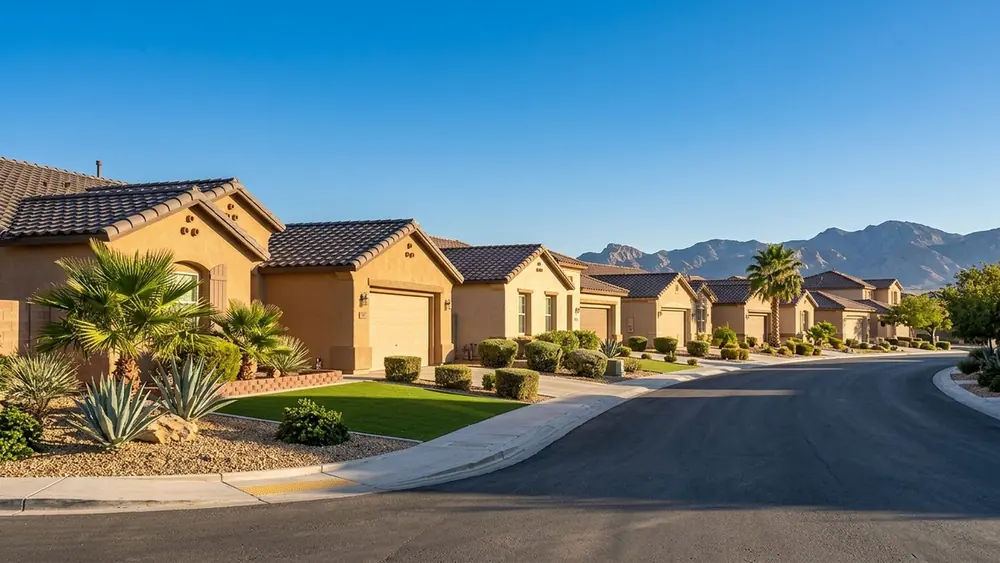
Look at the homes for sale right now that a buyer would compare with yours, in your part of the valley, at a similar price and with similar features, then note honestly how yours differs in condition, features, and price.
On this page
The direct answer about your competition
To tell how much competition your home faces, look at the homes for sale right now that a buyer would realistically compare with yours. Keep it to your part of the valley, a similar price, and similar features, then note how your home differs in condition, layout, features, and price. That short list of real alternatives is your competition, and it tells you more than any general headline about the market. It is also something you can check yourself, without waiting for anyone to tell you how things look.
This matters because buyers do not judge your home in isolation. They scroll, tour, and decide by comparison, often in a single afternoon. A home that seems well priced on its own can look like the weaker choice next to the homes a buyer saw that morning, and a home with an obvious flaw can still be chosen if the alternatives have bigger ones.
Competition can also differ from one area of the valley to another, so a picture of Las Vegas, North Las Vegas, or Henderson as a whole may not match what is happening around your street. That is why this article gives no market statistics. Instead, it walks through a way of looking that you can repeat whenever the listings change, which they do every day. The method stays the same even when the homes on your list do not.
Picture the buyer who would choose your home
Start with the buyer, not the house. Ask who is most likely to want a home like yours, given its size, its layout, its price, and the kind of property it is. A buyer looking for a single-family home with a yard is weighing a different set of options than a buyer looking at a townhouse or a condo, even in the same part of the valley.
Once you have that buyer in mind, the edges of your competition become clearer. Your competition includes the homes that buyer would also tour, which may sit outside your immediate area if they offer a similar setting for similar money. It leaves out homes that look close on a map but would never appear in the same buyer’s search.
Write a short description of that buyer before you look at a single listing. It keeps the comparison honest, because it stops you from picking flattering examples or dismissing the homes that are genuinely pulling attention away from yours. If you are unsure who that buyer is, the uncertainty is itself a useful question to bring to the REALTOR® you work with.
Find the homes a buyer would tour instead
With the buyer defined, look at the homes for sale right now that would show up in the same search. Use price, property type, size, and your part of the valley as the filters, and resist the urge to adjust them until the results look comfortable. The homes that remain are the ones competing for the same buyer this week, whether you like the comparison or not.
Pay attention to homes that have just come on the market as well as those that have been listed for a while. Each tells you something different. New listings show what a buyer will see first, while homes that have been sitting may show which combinations of price and condition buyers are passing over. Treat both as evidence about today, not as a forecast.
Homes that have already sold can add context, but they are not your competition. A buyer cannot choose a home that is no longer available, so the homes for sale today are the ones that set the comparison. Ask the REALTOR® you work with to show you both, and to explain which homes a buyer for your home would actually weigh against it.
Compare your home feature by feature
Now compare each competing home with yours, one feature at a time. Use the same checklist for every home so the comparison stays fair, and write down where yours is stronger as well as where it is weaker. Be as specific as a buyer would be, because vague notes lead to vague decisions. These are the points most worth comparing:
- Condition of the kitchen, bathrooms, flooring, roof, and major systems as a buyer would see them
- Layout, bedroom count, and how the main living space works for daily life
- Outdoor space, parking, and any association rules or fees that come with the home
- Asking price compared with what each competing home offers for similar money
Be honest about what a buyer would notice in the photos before ever stepping inside. Dated finishes, poor lighting, clutter, and deferred repairs show up quickly online, and they shape which homes make the tour list. If you are not sure how a feature compares, ask a home inspector about condition and the association about its published rules and fees, rather than guessing. A guess that flatters your home is the one most likely to cost you time.
Questions that sharpen the comparison
Once you have your list of competing homes, a few questions turn raw observations into decisions. The table below sets out what to ask, why each question matters to a seller, and who can give you a reliable answer. Use it as a working checklist, and update it whenever new listings appear or a competing home goes under contract.
| Question | Why it matters | Who to ask |
|---|---|---|
| Which homes would my likely buyer tour? | It defines your real competition | The REALTOR® you work with |
| How does my home’s condition compare? | Condition shapes photos, showings, and offers | A home inspector, plus your own honest walkthrough |
| What do association rules and fees add? | Buyers weigh monthly costs, not only price | The HOA and its documents |
| How does my price compare with similar homes? | Buyers notice when similar money buys more elsewhere | The REALTOR® you work with, using current listings |
| What must I disclose to buyers? | Disclosure affects trust and your obligations | A real estate attorney |
Notice that only some of these questions are about price. Buyers compare the whole package, including condition, layout, monthly costs, and how easy the home is to see. A seller who looks only at price can miss the real reason buyers are choosing other homes, and can end up lowering the price when a repair or better photos might have mattered more.
Assumptions that cause surprises for sellers
One frequent surprise is comparing your home with the wrong set of homes. Owners naturally think of a neighbor who sold or a house down the street that looks similar, but a buyer may be comparing yours with homes you have never considered. Another is assuming that an improvement you value, such as a costly upgrade, will matter to a buyer as much as it matters to you.
A further surprise is treating a market headline as a description of your own home’s position. General reports about the valley, or about Las Vegas, North Las Vegas, or Henderson, describe many very different homes at once. Your competition is the handful of homes your likely buyer will actually see, and that picture can look quite different from the headline in either direction.
What to write down before you talk
Before a first conversation about selling, put your comparison on paper so you can test it against current listings together. It does not need to be polished, only honest, and it is fine to mark the places where you are guessing. Having it written down keeps the discussion focused on your home and its real alternatives rather than on general opinions. Bring these with you:
- A short description of the buyer most likely to want a home like yours
- The competing homes you found, with notes on condition, features, and price
- A list of the repairs or updates you have made, and those you have put off
- Questions for your lender, a home inspector, the HOA, or a real estate attorney
If you would like help reading what your home is up against, bring your list to Anna and start there. You do not need to have decided anything yet, including whether to sell now or later. Which home on your list would a buyer most likely choose over yours, and what would it take to change that?
This article is general information about real estate decisions in the Las Vegas Valley, Nevada. It is not legal, tax, insurance, or financial advice. Rules, prices, and market conditions change, so confirm current details with the responsible county or city office and with qualified professionals.

Written by